Pick
your bear
Allegiance is free, non-binding, and has no bearing on the bracket. It exists so we can talk trash before the field is even announced.
The field
Get to know the bears profiled by the Brooks River Park Service. Stay tuned for official season before/after photos.
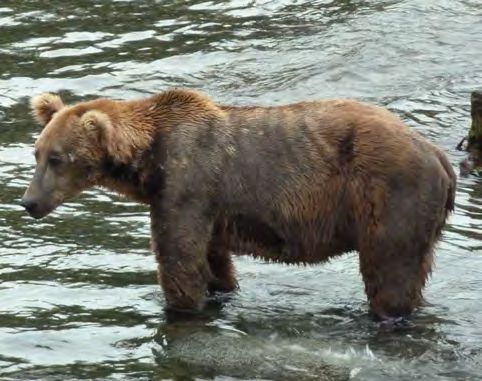 480 · OtisAdult Male · Jacuzzi, Far Pool🏆 ’14🏆 ’16🏆 ’17🏆 ’21Four-time champ. Living legend.
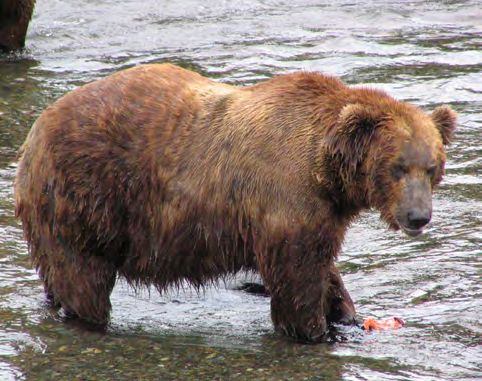 Bear 747Adult Male · Brooks Falls🏆 ’20🏆 ’22Former heavyweight king.
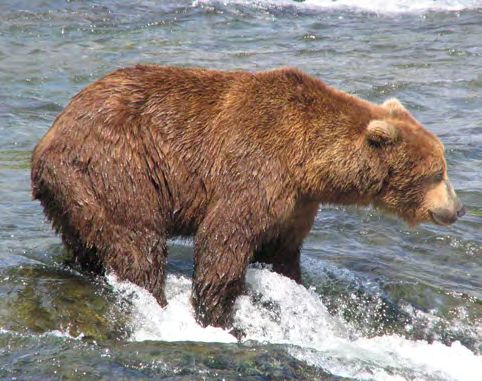 Bear 856Adult Male · The Lip, Jacuzzi🥈 ’25Elder bruiser. Still got it.
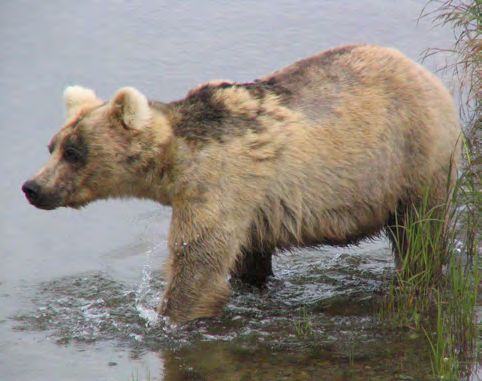 435 · HollyAdult Female🏆 ’19Perennial fan favorite.
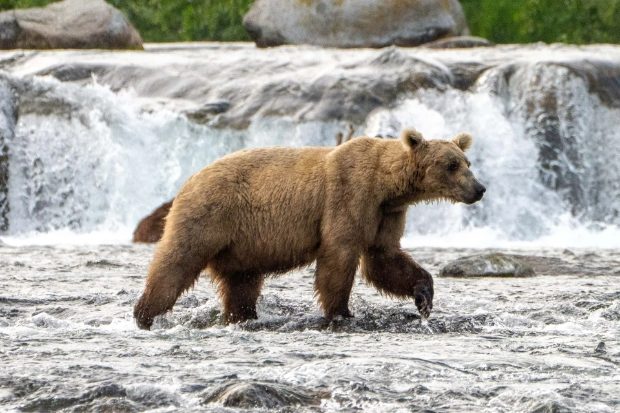 128 · GrazerAdult Female · Brooks Falls🏆 ’23🏆 ’24Two-time champ. Back-to-back. Terrifying.
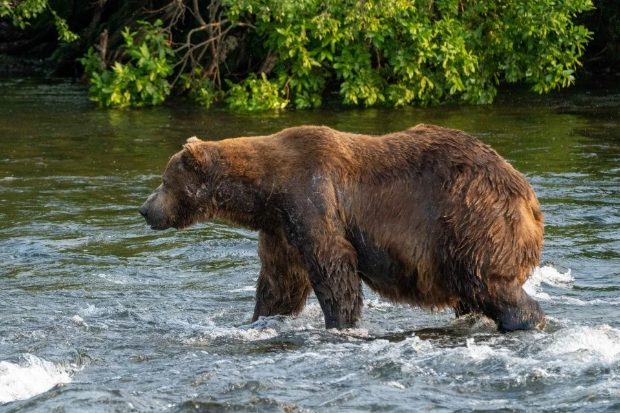 32 · ChunkAdult Male · Brooks Falls🥈 ’20🥈 ’23🥈 ’24🏆 ’25Three heartbreaks. Then destiny.
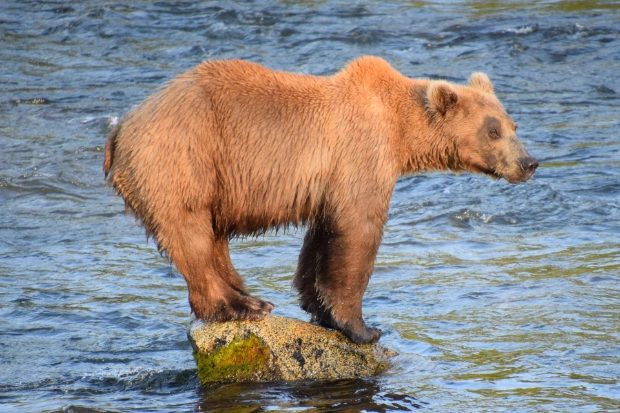 Bear 901Adult Female · Brooks Camp🥈 ’22semifinalist ’23Always dangerous, still uncrowned.
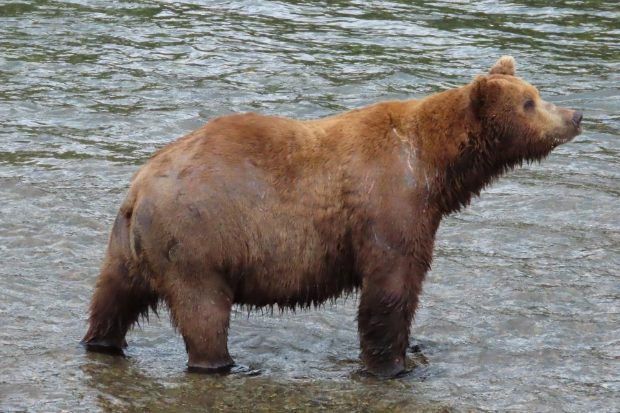 151 · WalkerAdult Male · Brooks Falls, The Lip🥈 ’21Veteran contender.
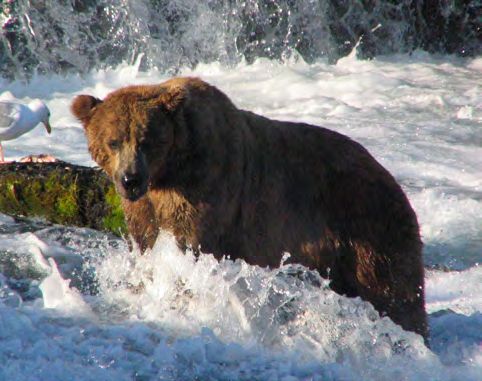 418 · JackAdult Male · Jacuzzi, Far PoolBear #418 was first recognized as an adult in 2001.
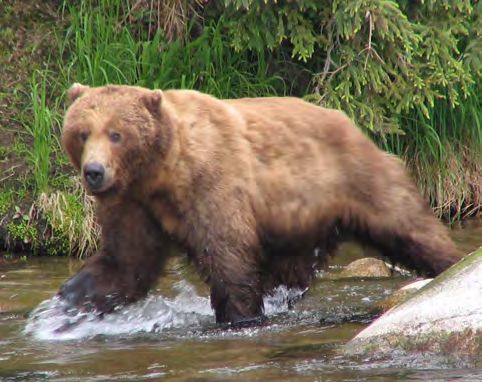 604 · LittleAdult Male · The LipFirst classified as a 2.5 year old subadult in 2002, #604 was easily recognized in 2007 because of the large, deep wound on his right hind leg. The wound was deep enough that muscle tissue was visible through the skin and fatty layers.
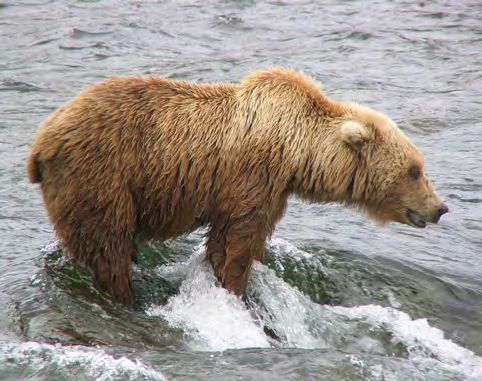 216 · MarilynAdult Female · Lower RiverWith the exceptions of 2008, 2009, and 2010, #216 has been observed along the Brooks River every year since 1996. She fishes at the falls and the lower river area, and appears habituated to humans.
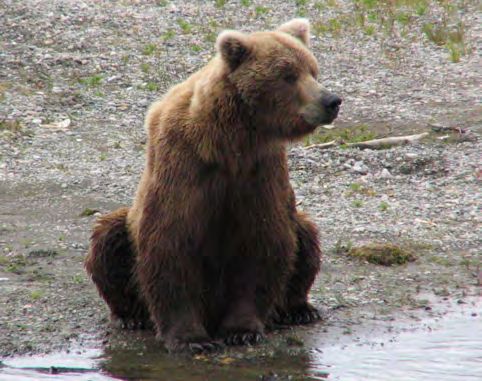 236 · MilkshakeAdult Female · The Lip, Lower RiverBear #236 is one of the older adult females to frequent the Brooks River area. She was first identified in 1997 with two spring cubs.
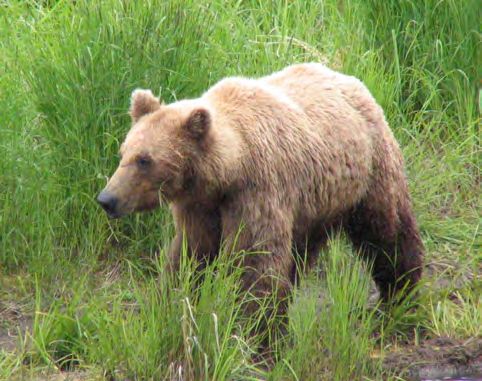 403 · EgbertaAdult Female · The LipBear #403 was first identified as a 2.5 year old in 2000. As a subadult and young female, she became successful with multiple fishing styles, most uniquely diving.
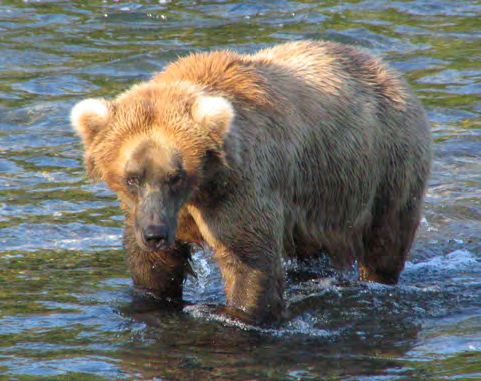 408 · CCAdult Female · Riffles, Lower River#408 was first identified as a young adult female in 2001. Her behavior that year hinted at subadult, but she was observed being pursued by male bears and had scars on the back of her neck, possibly from mating.
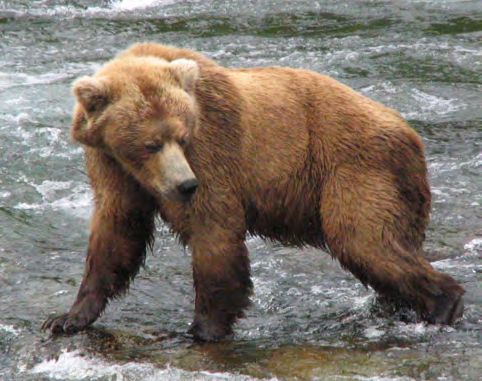 410 · Four-TonAdult Female · Naknek Lake#410 is one of the largest females frequenting the Brooks River and fishes almost anywhere.
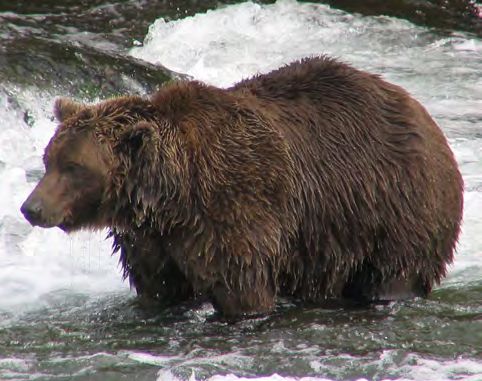 Bear 415Adult Female · The Lip#415 isn’t easy to identify by appearances alone. Pay close attention to her behavior.
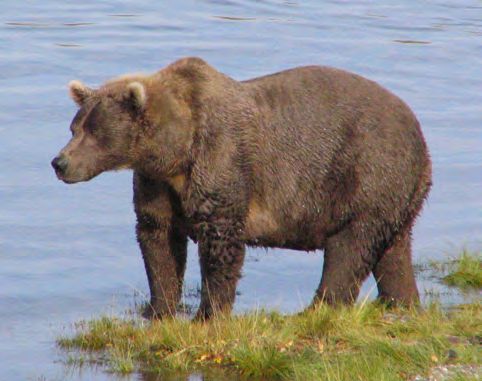 438 · FloAdult Female#438 was first classified as an adult female in 1999, but older records suggest she was likely raising yearling cubs in 1997.
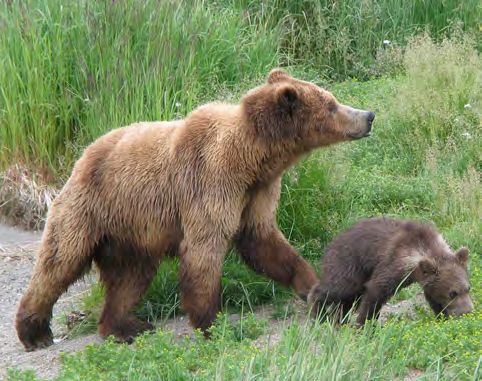 468 · ReggieAdult Female · The Lip, Far Pool, Lower River#468 was first observed and classified as an adult female with one spring cub in 1999. In 2007, she returned to the Brooks River with one spring cub marking her third litter. She is the mother of #708.
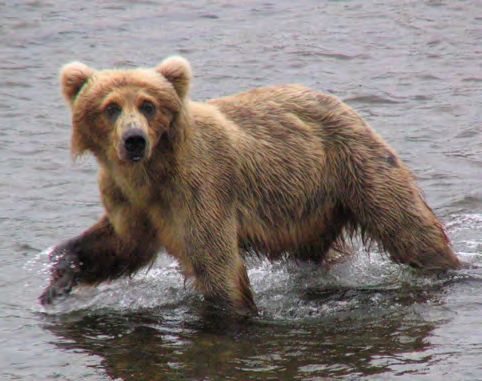 Bear 608Adult Female · Lower River#608 is a young female and was first seen independent as a 2.5 year old bear in 2002.
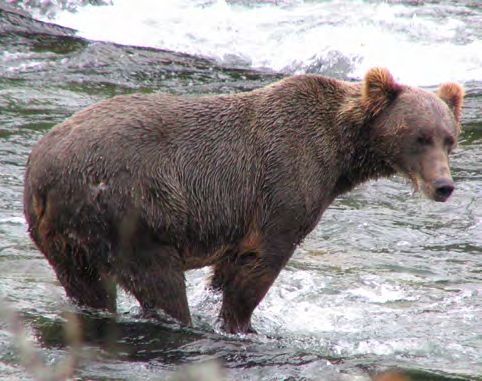 700 · MargeAdult Female · Brooks Falls#700 is a young female who was first identified as a subadult in 2003.
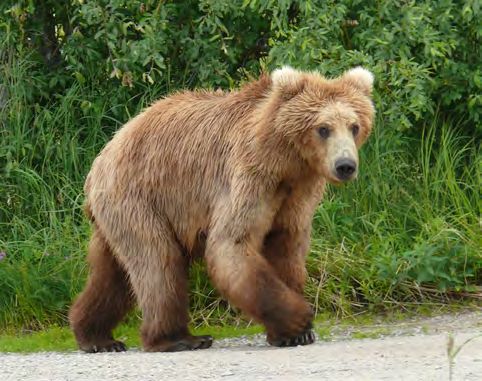 708 · AmeliaAdult Female · Lower River#708 is an adult female and was first identified as an independent 2.5 year old bear in 2003.
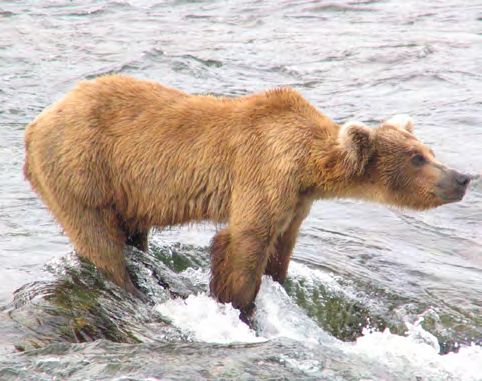 744 · DentAdult Female · Brooks Falls, Near Brooks CampBear #744 is a small adult female regularly seen along the Brooks River. She was first identified as a subadult in 2004.
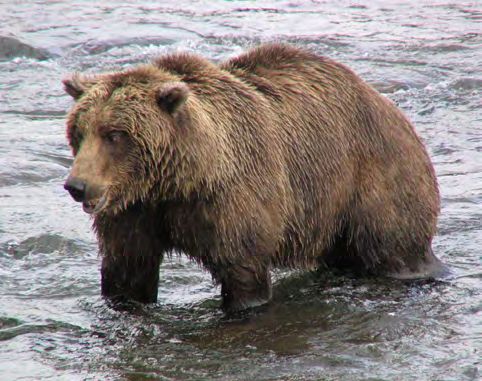 790 · Weevil BearAdult Female · Lower RiverWhen first identified in 2005, #790 was classified as a subadult and estimated to be 3.5 years old at that time.
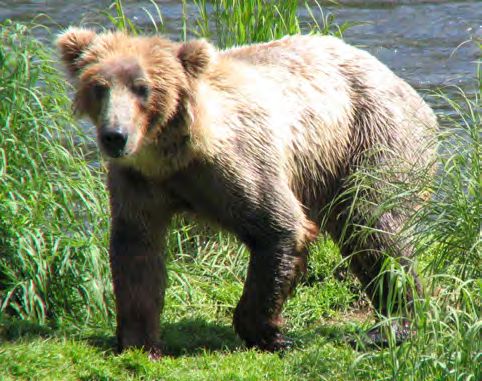 854 · DivotAdult Female · Lower River, Near Brooks CampBear #854 shares a similar life history as her sibling #790. Her mother is #216 and #24 is her father. She was classified as a subadult in 2004.
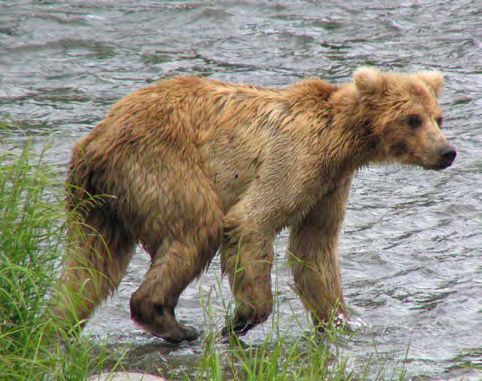 89 · BackpackSubadult Male · Brooks FallsAs a cub, #89 was very recognizable and as a result he is one of the few bears whose mother is known. He is the offspring of #435 and was first observed as an independent 2.5 year old bear in 2008.
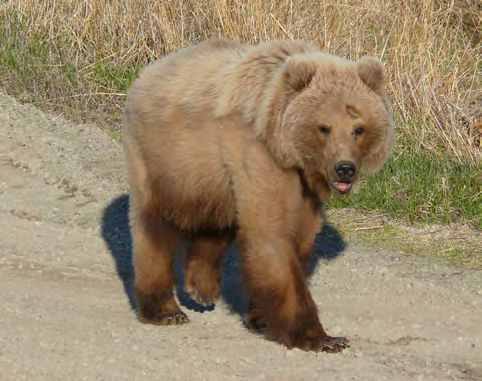 130 · TundraSubadult Female · Cutbank#130 was classified as a 2.5 year-old subadult female in 2009. She fishes the cut bank and lower Brooks River, but like many subadults she has a low success rate.
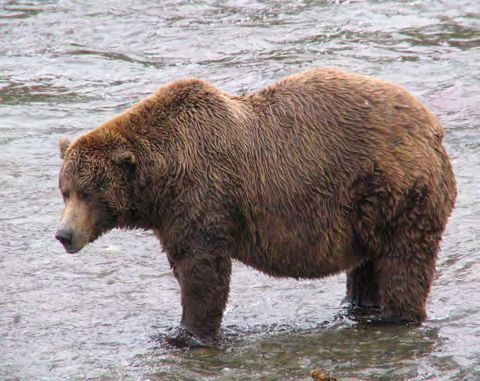 6 · Headbob/BulletLEGENDAdult Male · The Lip, Jacuzzi, Far Pool, Lower RiverBear #6 is one of the oldest and most recognizable bears in Katmai due to his preferred fishing spot at the top lip of the falls. He was classified as an adult in 1988 and is believed to be one of the oldest bears frequenting the Brooks River.
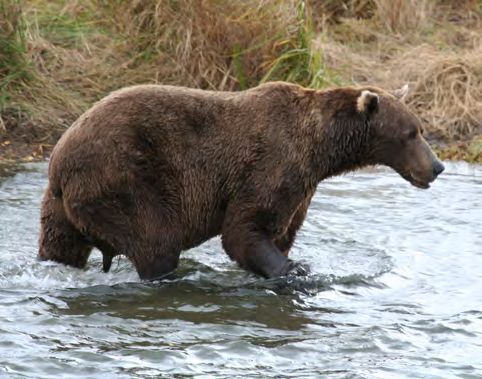 16 · CinnamonLEGENDAdult Male · The LipBear #16 is a regular at the Brooks Falls in July.
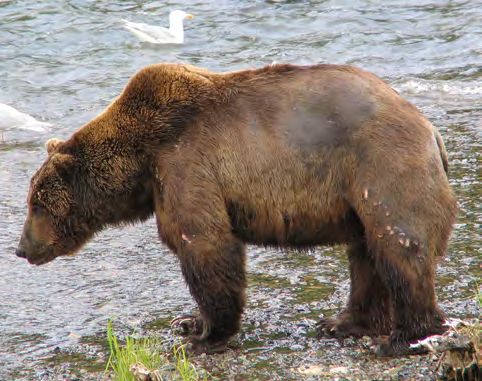 24 · BBLEGENDAdult Male · CascadesDuring the past 10 years, #24 has been one of the largest, most dominant bears seen along the Brooks River. He has only been observed at Brooks from late June through July.
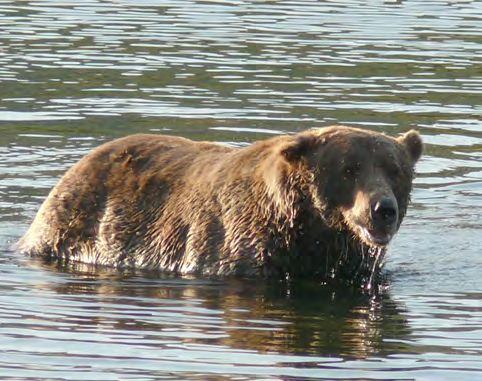 211 · BackbiteAdult Male · The Lip, JacuzziBear #211 was first described as an adult male in 1996. He is another July regular at Brooks Falls and also returns to the Brooks River in September.
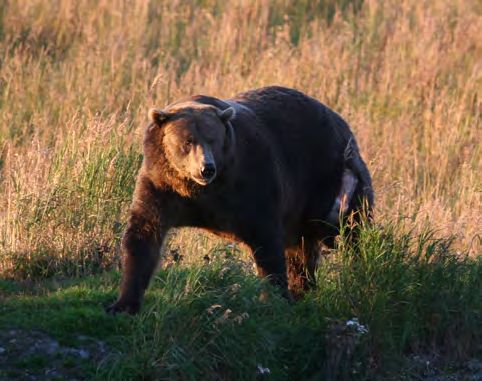 218 · UglyAdult Male · The Lip, Jacuzzi#218 uses some of the most efficient fishing techniques at Brooks Falls. He has been observed fishing successfully almost anywhere, but seems to prefer fishing the lip and in the jacuzzi.
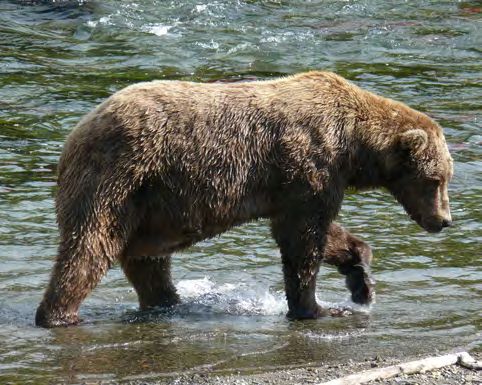 234 · EvanderAdult Male · The Lip, Far PoolBear #234 is one of the easiest bears to recognize along the Brooks River due his missing left ear and prominent fishing location on the lip of the falls. He lost his left ear late in 2001 or in the spring of 2002.
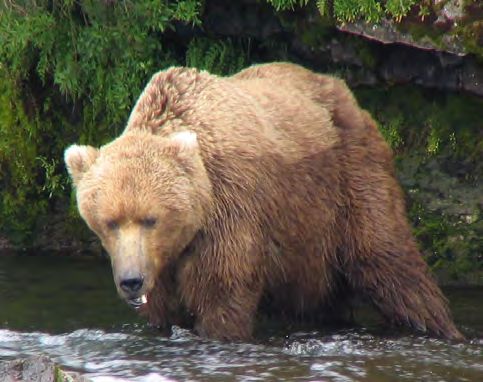 247 · SnaggletoothAdult Male · Far PoolBear #247 is distinctive because of his large, protruding canine tooth. As early as 2000 observers at Brooks River reported that his namesake tooth had “been this way for many years” and it does not seem to affect his ability to fish.
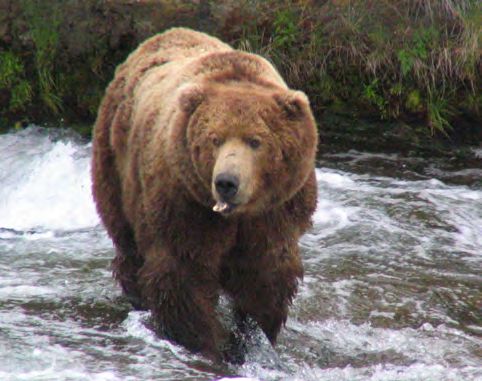 Bear 420Adult Male · Brooks Falls#420 is aggressive around other bears and regularly steals fish.
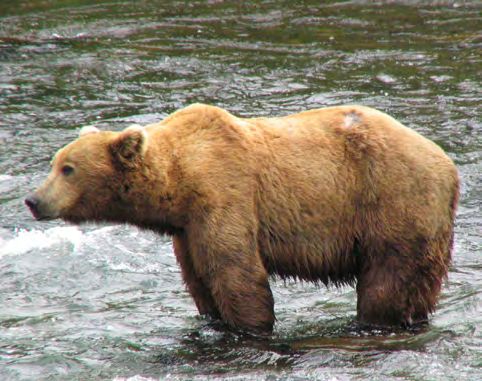 489 · TedAdult Male · The LipBear #489 was classified as a subadult when first identified in 2001 and has grown into a mature adult since then.
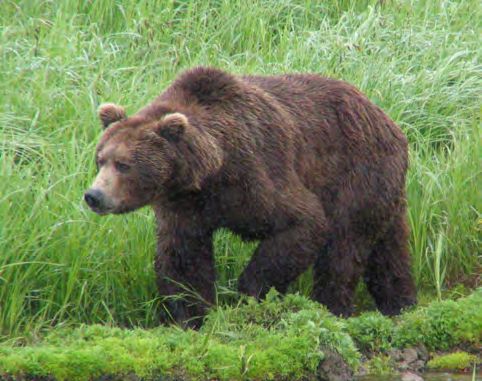 634 · PopeyeAdult Male · The Lip, Far PoolBear #634 was classified as a subadult in 2002 and then as an adult in 2003.
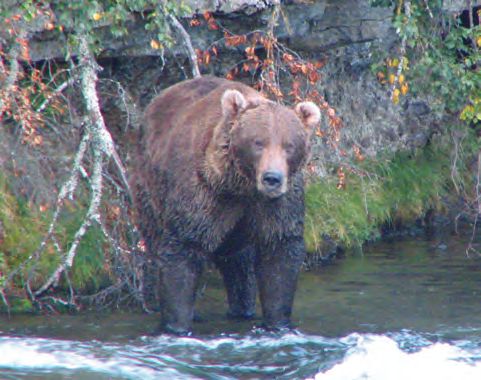 755 · Scare D. BearAdult Male · The Lip, Riffles#755 was classified as a subadult when first observed in 2004. Even though he fishes at Brooks Falls regularly, he has never become habituated to humans or other bears.
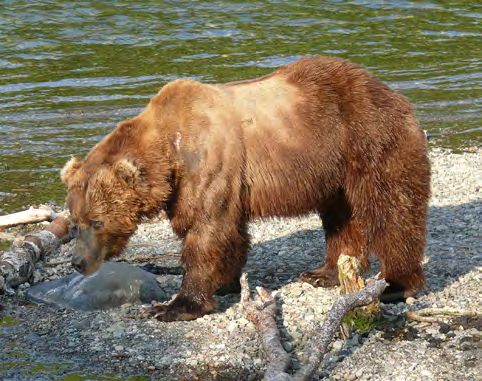 814 · LurchAdult Male#814 was described as a young adult male when he was first identified in 2005. In 2008 and 2009, this bear has shown increasing signs of dominance by stealing fish and displacing other bears from fishing spots.
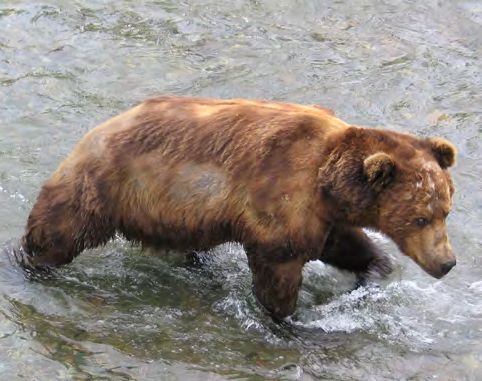 864 · NormanLEGENDAdult MaleBear #864 was identified in July 2006, but was certainly a large, mature adult at that time.
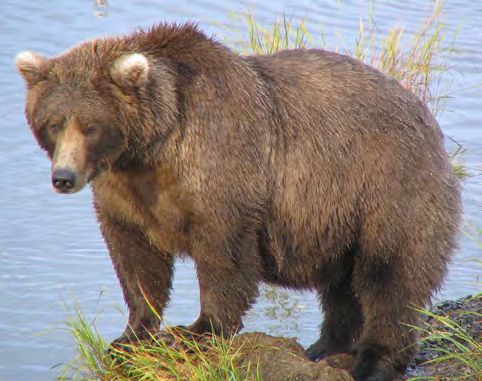 409 · BeadnoseAdult Female · Lower River#409 was classified as a subadult in 1999 and is frequently seen along Brooks River in July and September.
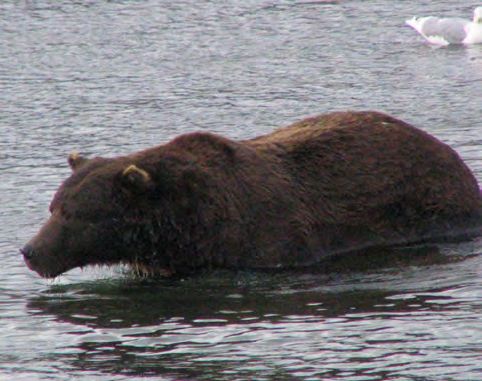 219 · One-toeIN MEMORIAMAdult Male · Riffles, Lower River, Naknek LakeIn October 2008, during an event rarely seen, bear biologists observed #219 dying in the Brooks River from unknown but apparently natural causes. His body eventually washed into Naknek Lake and disappeared.
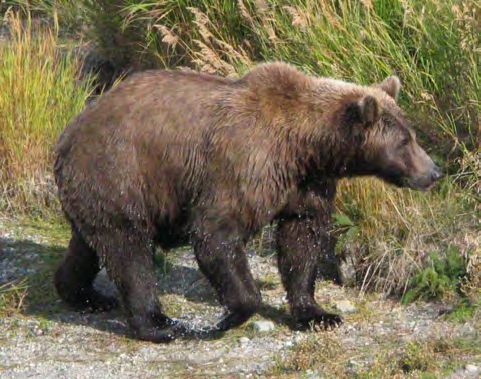 Bear 402IN MEMORIAMAdult Female · The Lip, Lower River#402 has had three known litters, one of which she raised into their third summer.
The Brooks River+–
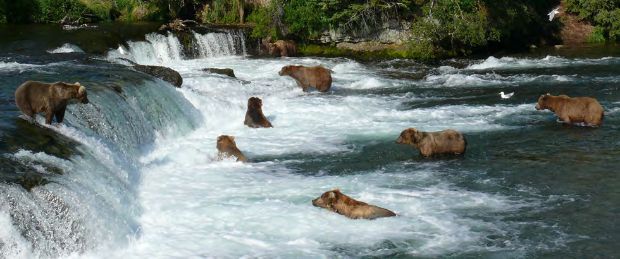
Because it is one of the first streams in the region where bright, energetic, and pre-spawned salmon are available to bears, the Brooks River hosts one of the greatest seasonal concentrations of brown bears anywhere on earth.
Early in the salmon run, Brooks Falls creates a temporary barrier to migrating salmon, making it a particularly successful fishing spot. The lip, the jacuzzi, and the far pool are the prime seats, and adult males dominate them.
In July, the riffles below the falls are fished most often by less dominant bears and females with offspring. The cut bank suits bears that are not tolerant of people. During late summer and fall, bears concentrate in the lower half of the river, fishing for dead and dying salmon.
Quick facts: how many bears?+–
From late June through July, the annual cumulative total of independent bears identified regularly using Brooks River has ranged from 43 to 70. From September into early October, that total has ranged from 45 to 59. Another 5 to 10 transient bears are typically documented in each period.
The same bears come back. In 2008, 59 of the 70 independent bears identified in July were recognized from previous years, as were 35 of the 52 identified in fall. Most of the bears not recognized were subadults.
Numbers have trended up over two decades, credited to sustained work minimizing bear-human conflict, strong regional salmon runs averaging 1.8 million fish escapement in the Naknek drainage, and mild weather.
An introduction to brown bears+–
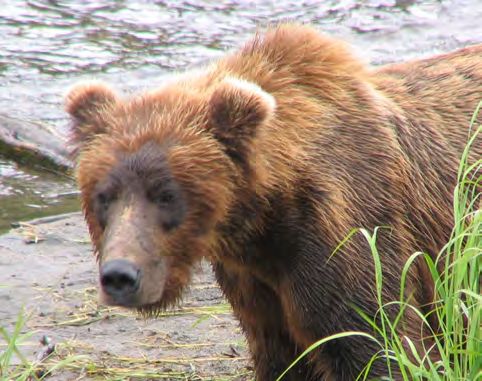
The only bears in Katmai are brown bears. Taxonomists consider brown bears and grizzlies the same species; in North America, brown bears are the ones with access to coastal food sources like salmon runs, while grizzlies live further inland.
Bears are eating machines. Survival depends on taking in enough calories across spring, summer, and fall to last the denning period. Hearing and vision are roughly equivalent to ours; smell, many times better than a dog's, is what sets them apart.
To identify one: look for the rounded, dish-shaped face and the prominent shoulder hump, a mass of muscle that black and polar bears lack. Coats range from blonde to dark brown and tend to darken with age and with the season. A wild brown bear averages 20 years, though bears over thirty have been documented.